

Blog
Obtén las últimas tendencias de la industria
-
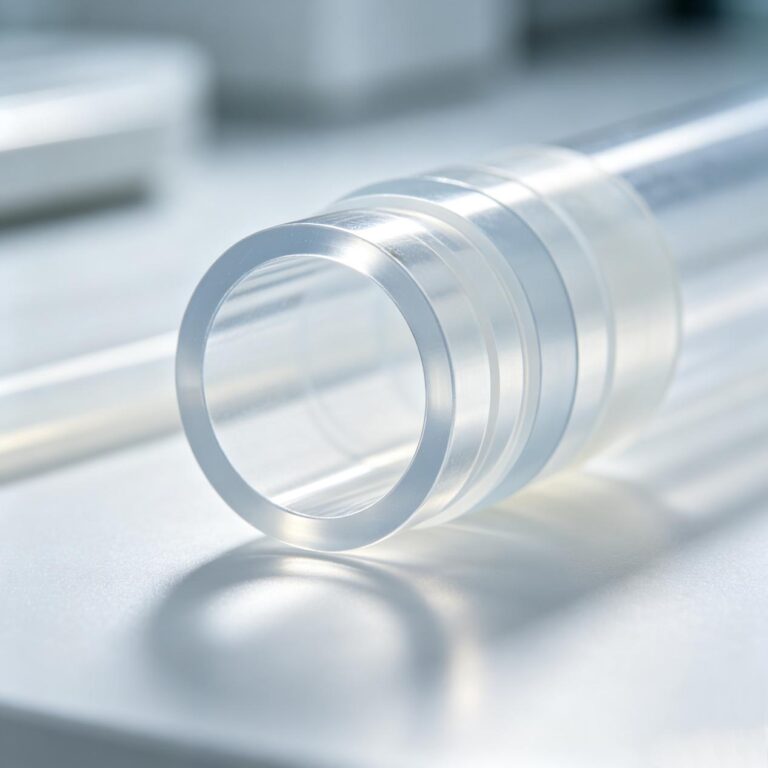
 BlogLearn how controlled plasma cleaning and activation can support bonding, coating and assembly of PU, PVC, TPU, silicone and polyolefin dialysis tubing.23 Sep, 2026Plasma Treatment for Dialysis Tubes: Cleaning and Surface Activation
-
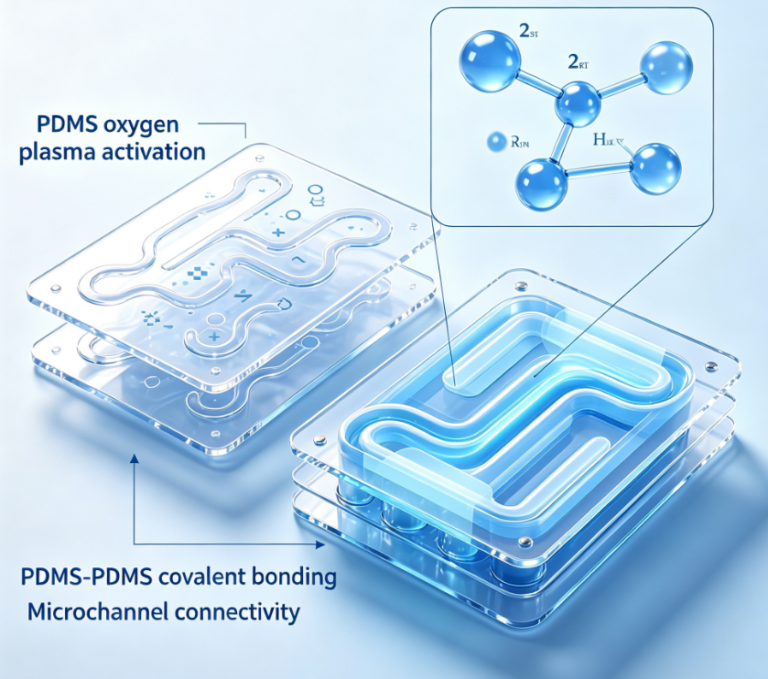
Plasma BasicsPlasma bonding is the use of plasma-generated surface activation to join two materials directly, at the molecular level, without adhesives, primers, or solvents. Engineers reach for it in medical microfluidics, silicon wafer bonding, silicone/elastomer device assembly, and anywhere an adhesive layer would add unwanted mass, outgassing, or a failure point.22 Sep, 2026Plasma Bonding Explained: How Plasma Enables Adhesive-Free Bonds
-
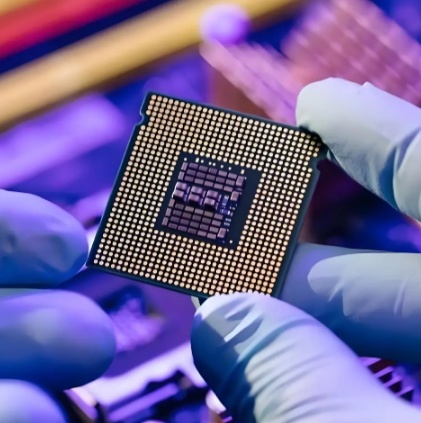
BlogSee how controlled vacuum plasma cleaning supports die attach, wire bonding, flip-chip, underfill and molding preparation in advanced packaging.18 Sep, 2026Vacuum Plasma Cleaning for Semiconductor Chips and Advanced Packaging
-
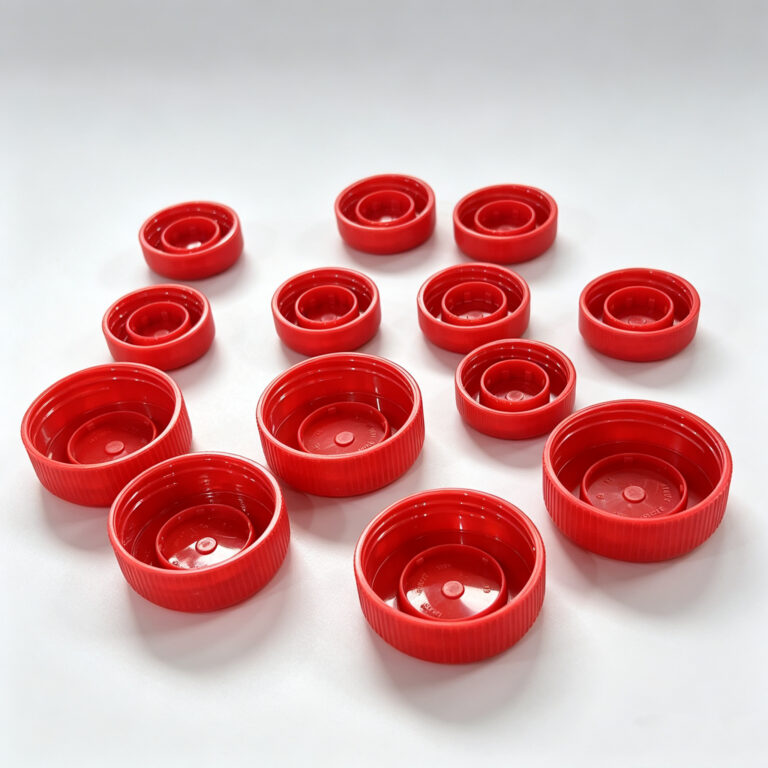
BlogLearn how localized plasma activation supports adhesive bonding, labeling, sealing and printing on PP, PE, HDPE and other plastic bottle caps.15 Sep, 2026Plasma Activation for Plastic Bottle Caps: Improve Adhesion and Seal Preparation
-
Plasma BasicsPlasma treatment doesn't coat, paint, or add mass to a surface. It rearranges the molecular chemistry of the outermost surface layer so adhesives, inks, and coatings wet out and bond instead of beading up. That shift — the plasma treatment surface energy increase — is the entire reason the plasma surface treatment process shows up in adhesion, printing, and bonding specs for plastics, metals, and glass.14 Sep, 2026Plasma Surface Treatment Explained: What It Actually Does and Why It Matters
-
CasosA contract manufacturer producing Class II and Class III devices integrated plasma treatment for medical devices — low-pressure plasma cleaning — into its production workflow and saw part rejection rates drop from roughly 12% to just over 7% — a 40% reduction — within 90 days. The cause had been invisible: sub-micron organic residue left behind by machining oils and handling, which caused adhesive bond failures, inconsistent coatings, and failed biocompatibility retests.11 Sep, 2026How Plasma Treatment Cut Medical Device Rejection Rates by 40%