


Blog
Descubra las últimas tendencias del sector
-
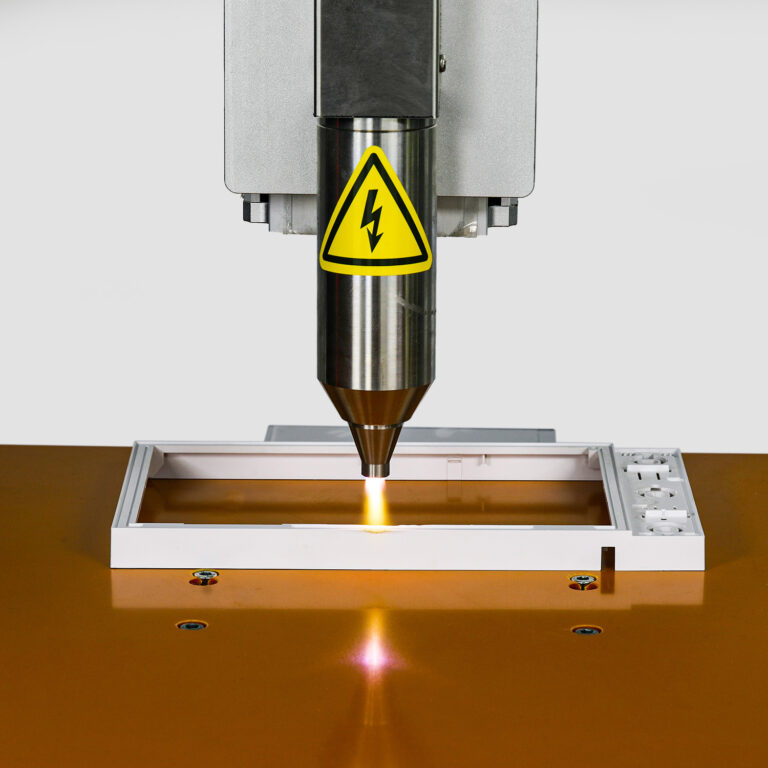
 Perspectivas del sectorLa superficie sin tratar de una película de BOPP, PE o PET es una cadena de hidrocarburo no polar sin ningún punto químico al que pueda unirse un aglutinante de tinta, un adhesivo o una resina de recubrimiento. Ese hecho explica la mayoría de las quejas de adherencia en envases flexibles: la tinta forma gotas, el recubrimiento se retrae, los laminados se deslaminan durante el llenado de las bolsas. El tratamiento por plasma para películas de envasado lo soluciona alterando químicamente la superficie antes de que nada la toque. A continuación: cómo funciona el tratamiento película por película y en qué supera al tratamiento corona que ya tienen la mayoría de las líneas.08 Sep, 2026Tratamiento por plasma para envases flexibles: cómo lograr una adherencia fiable de tintas y recubrimientos en películas
-
CasosBy Fari Plasma Aplicaciones Engineering | Reviewed March 202607 Sep, 2026Plasma Treatment for Electronics: How One Manufacturer Cut Scrap Rates by 34%
-
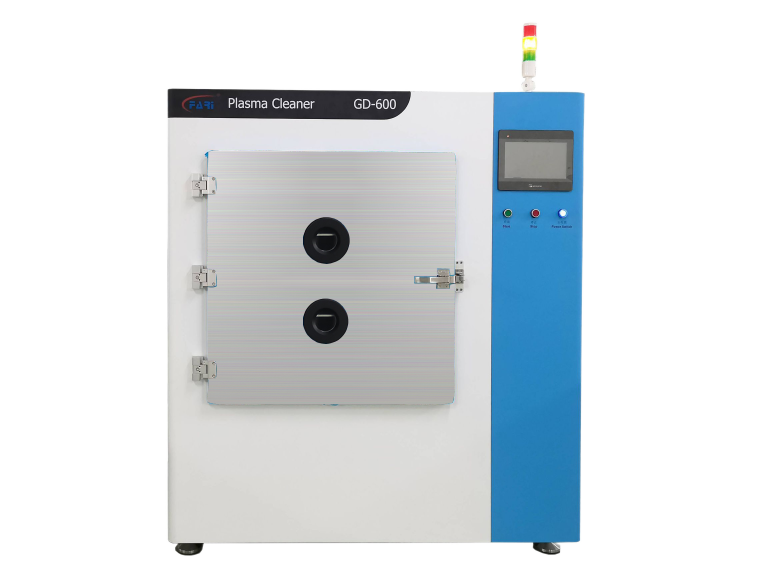
Fundamentos del plasmaAn inline plasma cleaner treats parts as they move continuously through a plasma zone — on a conveyor, robotic arm, or automated fixture — rather than loading a batch into a sealed chamber and running a fixed cycle. The format brings real throughput and automation benefits, but also real trade-offs worth weighing before committing capital to a line integration. Before deciding, compare it directly against the Inline Automatic Vacuum Plasma Cleaner to see whether continuous-feed treatment actually matches your part flow.04 Sep, 2026Inline Plasma Cleaner Pros and Cons: Advantages, Limitations & When to Use
-
BlogSee how dry plasma cleaning can remove trace organic contamination and condition aluminum interfaces before bonding, coating, printing or assembly.03 Sep, 2026Plasma Cleaning for Aluminum Parts: Dry Removal of Oils and Oxides
-
Fundamentos del plasmaOxygen plasma is ionized oxygen gas — a mix of atomic oxygen, O⁺ and O₂⁺ ions, ozone, and ultraviolet photons — generated by applying RF or other electrical energy to O2 gas inside a vacuum chamber or an atmospheric plasma head. It's the most widely used plasma chemistry in surface treatment because it's cheap, available anywhere compressed gas or an oxygen generator can supply it, and reactive enough to clean, activate, or etch almost any organic-contaminated surface. It also has limits — it oxidizes copper and silver, over-treats thin polymer films, and can't reach shadowed geometry at atmospheric pressure — which is where argon, air, or nitrogen take over.03 Sep, 2026Oxygen Plasma Cleaning: How It Works and When to Use It
-
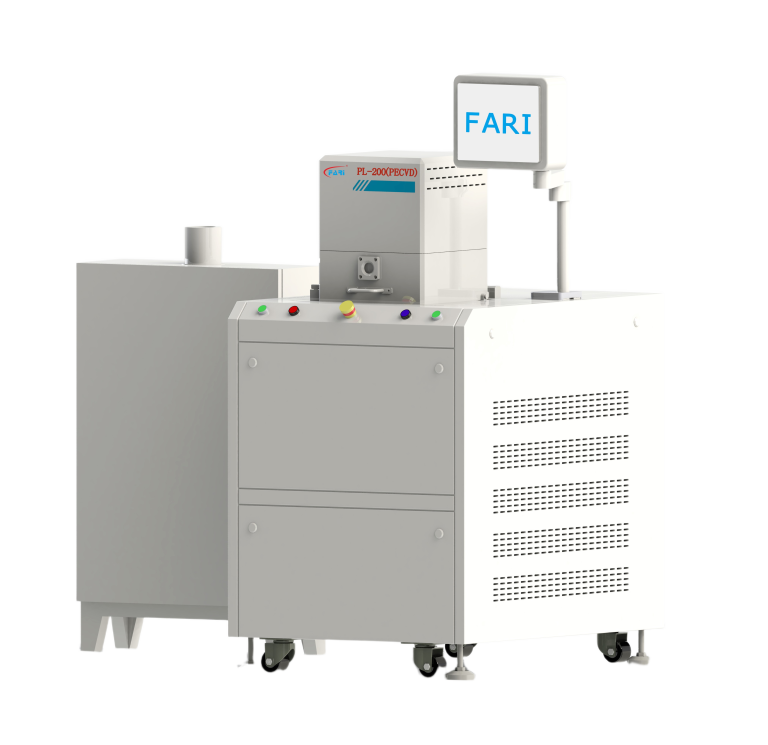
Fundamentos del plasmaPECVD (plasma-enhanced chemical vapor deposition) uses an electrically generated plasma to activate reactant gases so a thin film builds up on a substrate at temperatures far lower than conventional thermal CVD requires. That single mechanism — replacing heat with plasma energy as the activation source — is the PECVD working principle, and it's why plasma-enhanced CVD shows up wherever engineers need to deposit dielectric, passivation, or optical films on substrates that can't tolerate a high-temperature furnace step.02 Sep, 2026PECVD Explained: How Plasma-Enhanced CVD Deposition Works